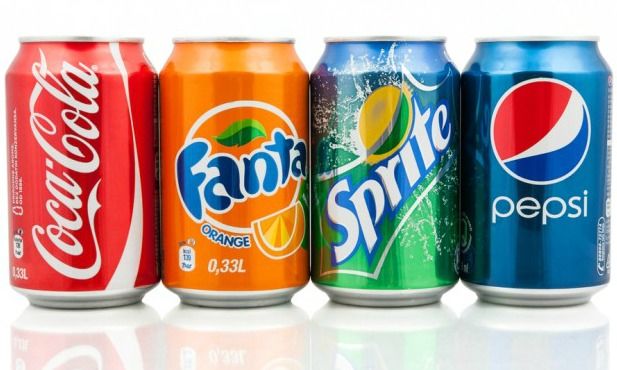
DO NOT DRINK ALCOHOL IF YOU ARE KETOTIC (in fat-burning mode)! Alcohol is a powerful inhibitor of gluconeogenesis. In fact, it forces part of the gluconeogenic metabolic process into reverse. This means that if all the glucose in the blood is being derived from gluconeogenesis then the consumption of alcohol will inevitably cause the blood glucose level to fall. Additionally, the alcohol also stops ketone body production, thus leaving the brain entirely without fuel. A person who is ketotic is 100% reliant on gluconeogenesis to maintain adequate levels of glucose in the blood. If, under these circumstances alcohol is taken, the person will become disorientated and might lose consciousness, not just from the alcohol, but from low blood sugar. Needless to say, this could be very dangerous, and even fatal. In short, the message here is: do not drink if you are on a low carb diet, including IDEAL PROTEIN. You are deriving your glucose from fat burning and your glucose levels are adequate for your body to function, but you have no reserves. Hypoglycemia will result. If your blood sugar falls rapidly, you could pass out, or worse!
The modern diet of processed foods, takeaways and microwave meals could be to blame for a sharp increase in autoimmune diseases such as multiple sclerosis, including alopecia, asthma and eczema. A team of scientists from Yale University in the U.S and the University of Erlangen-Nuremberg, in Germany, say junk food diets could be partly to blame. 'This study is the first to indicate that excess refined and processed salt may be one of the environmental factors driving the increased incidence of autoimmune diseases,' they said. Junk foods at fast food restaurants as well as processed foods at grocery retailers represent the largest sources of sodium intake from refined salts. The Canadian Medical Association Journal sent out an international team of researchers to compare the salt content of 2,124 items from fast food establishments such as Burger King, Domino's Pizza, Kentucky Fried Chicken, McDonald's, Pizza Hut and Subway. They found that the average salt content varied between companies and between the same products sold in different countries. U.S. fast foods are often more than twice as salt-laden as those of other countries. While government-led public health campaigns and legislation efforts have reduced refined salt levels in many countries, the U.S. government has been reluctant to press the issue. That’s left fast-food companies free to go salt crazy, says Norm Campbell, M.D., one of the study authors and a blood-pressure specialist at the University of Calgary. Many low-fat foods rely on salt--and lots of it--for their flavor. One packet of KFC’s Marzetti Light Italian Dressing might only have 15 calories and 0.5 grams fat, but it also has 510 mg sodium--about 1.5 times as much as one Original Recipe chicken drumstick. (Feel like you’re having too much of a good thing? You probably are. Bread is the No. 1 source of refined salt consumption in the American diet, according to the Centers for Disease Control and Prevention. Just one 6-inch Roasted Garlic loaf from Subway--just the bread, no meat, no cheeses, no nothing--has 1,260 mg sodium, about as much as 14 strips of bacon. How Refined Salt Causes Autoimmune Disease The team from Yale University studied the role of T helper cells in the body. These activate and 'help' other cells to fight dangerous pathogens such as bacteria or viruses and battle infections. Previous research suggests that a subset of these cells - known as Th17 cells - also play an important role in the development of autoimmune diseases. In the latest study, scientists discovered that exposing these cells in a lab to a table salt solution made them act more 'aggressively.' They found that mice fed a diet high in refined salts saw a dramatic increase in the number of Th17 cells in their nervous systems that promoted inflammation. They were also more likely to develop a severe form of a disease associated with multiple sclerosis in humans. The scientists then conducted a closer examination of these effects at a molecular level. Laboratory tests revealed that salt exposure increased the levels of cytokines released by Th17 cells 10 times more than usual. Cytokines are proteins used to pass messages between cells. Study co-author Ralf Linker, from the University of Erlangen-Nuremberg, said: 'These findings are an important contribution to the understanding of multiple sclerosis and may offer new targets for a better treatment of the disease, for which at present there is no cure.' It develops when the immune system mistakes the myelin that surrounds the nerve fibres in the brain and spinal cord for a foreign body. It strips the myelin off the nerves fibres, which disrupts messages passed between the brain and body causing problems with speech, vision and balance. Another of the study's authors, Professor David Hafler, from Yale University, said that nature had clearly not intended for the immune system to attack its host body, so he expected that an external factor was playing a part. He said: 'These are not diseases of bad genes alone or diseases caused by the environment, but diseases of a bad interaction between genes and the environment. 'Humans were genetically selected for conditions in sub-Saharan Africa, where there was no salt. It's one of the reasons that having a particular gene may make African Americans much more sensitive to salt. 'Today, Western diets all have high salt content and that has led to increase in hypertension and perhaps autoimmune disease as well.' The team next plan to study the role that Th17 cells play in autoimmune conditions that affect the skin. 'It would be interesting to find out if patients with psoriasis can alleviate their symptoms by reducing their salt intake,' they said. 'However, the development of autoimmune diseases is a very complex process which depends on many genetic and environmental factors.' Stick to Good Salts Refined, processed and bleached salts are the problem. Salt is critical to our health and is the most readily available nonmetallic mineral in the world. Our bodies are not designed to processed refined sodium chloride since it has no nutritional value. However, when a salt is filled with dozens of minerals such as in rose-coloured crystals of Himalayan rock salt or the grey texture of Celtic salt, our bodies benefit tremendously for their incorporation into our diet. "These mineral salts are identical to the elements of which our bodies have been built and were originally found in the primal ocean from where life originated," argues Dr Barbara Hendel, researcher and co-author of Water & Salt, The Essence of Life. "We have salty tears and salty perspiration. The chemical and mineral composition of our blood and body fluids are similar to sea water. From the beginning of life, as unborn babies, we are encased in a sack of salty fluid." "In water, salt dissolves into mineral ions," explains Dr Hendel. "These conduct electrical nerve impulses that drive muscle movement and thought processes. Just the simple act of drinking a glass of water requires millions of instructions that come from mineral ions. They're also needed to balance PH levels in the body." Mineral salts, she says, are healthy because they give your body the variety of mineral ions needed to balance its functions, remain healthy and heal. These healing properties have long been recognised in central Europe. At Wieliczka in Poland, a hospital has been carved in a salt mountain. Asthmatics and patients with lung disease and allergies find that breathing air in the saline underground chambers helps improve symptoms in 90 per cent of cases. Dr Hendel believes too few minerals, rather than too much salt, may be to blame for health problems. It's a view that is echoed by other academics such as David McCarron, of Oregon Health Sciences University in the US. He says salt has always been part of the human diet, but what has changed is the mineral content of our food. Instead of eating food high in minerals, such as nuts, fruit and vegetables, people are filling themselves up with "mineral empty" processed food and fizzy drinks. Study Source: This is the result of a study conducted by Dr. Markus Kleinewietfeld, Prof. David Hafler (both Yale University, New Haven and the Broad Institute of the Massachusetts Institute of Technology, MIT, and Harvard University, USA), PD Dr. Ralf Linker (Dept. of Neurology, University Hospital Erlangen), Professor Jens Titze (Vanderbilt University and Friedrich-Alexander-Universitat Erlangen-Nurnberg, FAU, University of Erlangen-Nuremberg) and Professor Dominik N. Muller (Experimental and Clinical Research Center, ECRC, a joint cooperation between the Max-Delbruck Center for Molecular Medicine, MDC, Berlin, and the Charite -- Universitatsmedizin Berlin and FAU) ( Nature, doi: http://dx.doi.org/10.1038/nature11868)*. In autoimmune diseases, the immune system attacks healthy tissue instead of fighting pathogens. www.PreventDisease.com • by April McCarthy a community journalist playing an active role reporting and analyzing world events to advance our health and eco-friendly initiatives.
After intense lobbying by Kraft Foods Global Inc. and Kemin Food Technologies, the Food Safety and Inspection Service (FSIS), a division of the U.S. Department of Agriculture (USDA), has agreed to reverse existing regulations that prohibit the use of three toxic meat preservatives. According to Courthouse News Service (CNS), sodium benzoate, sodium propionate, and benzoic acid will now be permissible for use in preserving and treating meat and poultry products, despite having been previously banned. FSIS has long been of the persuasion that major food corporations would attempt to use such additives to "conceal damage or inferiority in meat and poultry," but the agency's view has apparently changed. After Kraft submitted its own company-funded trials claiming that the three preservative chemicals are allegedly safe, and that they supposedly cannot be used to disguise sub par meat and poultry products, the USDA suddenly changed its mind about them. This is all according to its mouthpiece, the U.S. Food and Drug Administration (FDA), which made the announcement recently about the change. "Kraft submitted data collected from its in-plant trials and from scientific studies that show that these substances do not conceal damage or inferiority, or make products appear better or of greater value than they are under the proposed conditions of use," says FSIS. Factory food companies commonly use chemical preservatives, anti-microbials to mask inferior meatThis is a nice story, but according to admissions made by both Kraft and Kemin, use of these additives will indeed be used to disguise inferior meat and poultry products. According to CNS, the two companies admittedly petitioned FSIS to allow use of the chemicals in liquid form to kill pathogens like Listeria monocytogenes, which typically only exist in tainted meat derived from factory farms. Industrial agriculture is a filthy business, especially when animals are involved. Rather than have access to pasture and the outdoors, cows and chickens from factory farms live most, if not all, of their lives in confinement, where they wallow in their own feces, and sometimes even in the rotting carcasses of other dead animals. As a result, such animals become ill, and their systems infected with harmful pathogens that must be eliminated before human consumption. The reason companies like Kraft and Kemin exist and thrive is because high-profit factory farms exist and thrive. And the only way these food corporations can "safely" sell their factory-farm food products to the public is to kill it, sanitize it, and smother it in antimicrobial agents like sodium benzoate, sodium propionate and benzoic acid. So to claim that their goal in seeking approval for the three chemicals is not to conceal second-rate meat products is simply a lie. Low-grade meat products from squalid factory farms have to be disguised, otherwise the public would never purchase them. Beyond this, the chemical substances in question are not even safe. Sodium propionate has been linked to causing gastrointestinal upset and respiratory problems, while sodium benzoate can cause DNA damage and promote the formation of cancer cells. And benzoic acid, which is often added to processed foods, can promote the development of asthma and hyperactivity, particularly in children. "The continued ingestion of certain chemicals has been linked to cancer, fatigue, memory-impairment, imbalanced motor-function, diabetes, thyroid problems, confusion and far more," says Creative Bioscience about food preservatives and additives. "Such food additives can stunt or stall weight loss and even cause more pounds to add on." NaturalNews.com • Friday, April 05, 2013 by: Ethan A. Huff, staff writer
 Image courtesy of Free Digital Downloads Studies suggest cinnamon may have a stabilizing effect on blood sugar levels. This could curtail appetite, particularly in people with type 2 diabetes. Nearly everyone can benefit from cinnamon in its traditional role. Stir some into your coffee, tea, or yogurt to add sweetness without adding calories.
Courtesy of WEB MD
A 2008 Kaiser-Permanente study found that people who kept daily food diaries lost twice as much weight or more as those who didn’t keep a tally of their meals. Of 1,700 Kaiser Permanente study participants who took the extra step of keeping track of what they consumed got something of a booster charge in their weight loss. Overall, two-thirds of the study subjects lost nine pounds or more during the six-month study. But those who kept a food diary every day of the week dropped up to 20 pounds, more than twice as much as those who didn't record their every bite.
Dieters don't want to write it down
One dieter commented, "If I was walking through the kitchen and wanted to grab a cookie or a brownie, I would think twice because I knew I had to write it down.” That was a common experience among those who kept diaries. Study participants said, for example, that when they thought about eating a second helping of dessert but didn’t because they didn’t want to see it in their food diaries. “A lot of times people do not think about what they are eating or eat out of stress. Keeping a diary can help to avoid these practices. Another participant claimed that keeping a food diary made it easier to maintain weight loss than previous efforts using diets that she did on her own. For some, it is a struggle to maintain food diaries; keeping track of what you eat can pose a challenge for dieters. Lora Burke, a professor of nursing and epidemiology at the University of Pittsburgh in Pennsylvania, noted in an unpublished study involving food diaries, some participants said it was too burdensome to record what they ate. These participants experienced less weight loss than those who kept diaries.
Thanks to MSNBC and to Steve Mitchell for publishing various studies tracking dieters and food diaries. Steve is a science and medicine writer in Washington, D.C. His articles have appeared in a variety of newspapers, magazines and Web sites, including UPI, Reuters Health, The Scientist and WebMD.
For those who tend to eat just one bigger meal a day, your body thinks it is starving for about 18 hours a day. It reacts by converting more food into fat to create a surplus source of energy and then slowing your metabolism down to protect that fat reserve. Both of these functions promote weight gain. Spread your calories out over 5–6 small meals a day. It is a proven weight loss tactic. The artificial sweeteners found in most “diet” drinks and foods slow down the body’s metabolism. The net result may be consuming fewer calories ... but you burn off fewer calories too. If you have a sweet tooth and want to watch the calories, consider Stevia, a safe, 100% natural sweeter. Stevia leaf extract has more than 30 times the sweetness of ordinary table sugar. Coca-Cola® has been using it in soda in Japan for years. © Life Extension Nutritional Supplement Guide • http://www.lef.org
Kaiser Permanente, the largest managed healthcare organization in the United States, has published a newsletter advising members to avoid GMOs (genetically modified organisms) in food. In a Fall 2012 newsletter, Kaiser provided this guidance: “What do soda, canned chicken soup, margarine, and corn flakes have in common? They all contain genetically modified organisms, or GMOs. GMOs have a piece of DNA from a different species, such as bacteria or viruses, spliced into their DNA. Genetically engineered corn, for example, has DNA added so that it has a pesticide built right into it. This process creates a new species of plant that would have never occurred in nature.” The $47 billion corporate giant continued: “Despite what the biotech industry might say, there is little research on the long-term effects of GMOs on human health. Independent research has found several varieties of GMO corn caused organ damage in rats. Other studies have found that GMOs may lead to an inability in animals to reproduce.” The article encourages Kaiser’s 9 million members to “limit… exposure to GMOs.” None of this is particularly revolutionary, and the organization still says it has no “official policy” on the GMO issue. But it is the first time that a health care company of this size has publicly encouraged consumers to avoid GMOs. And it is another piece of evidence that the tide is turning. Americans may still see mandatory labeling of GMOs, and see it soon. © 2012 • FOOD REVOLUTION NETWORK • http://www.foodrevolution.org
Did you know that you can use your Medical Spending Account to purchase supplements.
Order your Ideal Protein supplements today!
Call us at 240-595-6504.
We have been hearing a lot recently about GMOs, or Genetically-Modified Organisms, in our food supply. SHOULD WE BE CONCERNED???YES! According to the book, Wheat Belly, Genetically-Modified Foods make you fat. While you are not consuming grains while on Ideal Protein, the cow or chicken that you are grilling did!"Over the past 50 years, wheat has been genetically altered to the point where it is genetically nearly unrecognizable as wheat — but it's still called wheat. Consuming "modern wheat" can turn you into a metabolic mess. Obesity, appetite stimulation, arthritis, faster aging, bone damage, and weak immunity have all been linked to increased consumption of wheat. Some food companies are doing to us what the tobacco companies did: They are ignoring the health facts about their products." Resource: http://www.wheatbellybook.com/wheatbellybook/makingfatAccording to the AAEM (American Academy of Environmental Medicine), “Animal studies indicate serious health risks associated with GM food,” including reproductive problems, compromised immunity, accelerated aging, blood sugar imbalances and harm to major organs. The solution is to BUY ORGANIC. While organic foods are more expensive, the protection from weight gain and assaults to your health is proven. Saving money on groceries by purchasing "sale" or "cheaper" food items can have a "rebound" effect and can cancel out the gains that you make on a weight-reduction diet. For more information, go to: http://www.liveinthenow.com/article/are-gmo-foods-bad-for-you-why-you-should-be-concerned and http://aaemonline.org/gmopost.html.
Drink your water a little at a time. Sip your water throughout the day . Water is cooling, cleansing and transports nutrients throughout the body.
Water also helps us to burn fat: You need water to transform the fat (triglycerides) into free fatty acids and glycerin! Not drinking enough will slow the fat burning process way down.
So drink your 8-10 glasses of water daily, but pace yourself! If you drink large amounts of water in one sitting, it loads the kidneys and is expelled immediately.
|